Element 4.6: Plan for the Unexpected
“There is no harm in hoping for the best as long as you are prepared for the worst.”
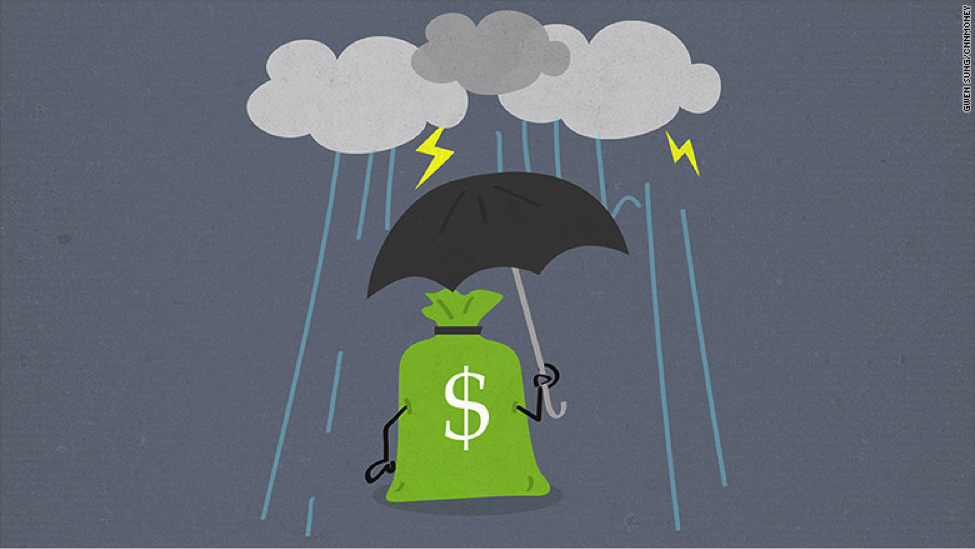
We have talked about the value of saving for your future, but you also need an emergency fund. What is that? Life has an endless string of surprise occurrences—a flat tire, a leaking roof, a suddenly dead phone — just to name a few.(135) We cannot predict which ones will occur or when, but we can predict that over any long period, each of us will confront such costly items. Thus, it makes sense to plan for them. This is what your emergency fund is for. It will help you deal with unexpected bills that could otherwise cause you severe emotional and financial distress. Although the emotional and mental stress of an unexpected event may be difficult to deal with, an emergency fund makes the financial part simply an inconvenience. In other words, an emergency fund equals a financial freedom fund.
The alternative is to wait until the surprise event occurs and then try to devise a plan to deal with it. This strategy will generally mean running up credit-card balances or borrowing funds on highly unfavorable terms. Then you must figure out how to cover the interest charges and eventually repay the funds. All this anxiety is likely to result in unwise financial decisions.
How much should you set aside regularly to deal with such events? One approach would be to make a list of the various surprises you experienced in the past year and estimate how much each one cost you. Think about car repairs, unexpected travel, doctor’s visits, a home appliance replaced—anything that you did not expect to happen last year. Add the costs up, divide that number by twelve, and begin channeling that amount monthly into your emergency fund. Another approach is to save three to six months of expenses. In other words, imagine you lose all your income for three months. Is your emergency fund large enough to replace that income and cover expenses?
You might even want to pay a little more into the account just in case you confront higher future spending in this area. If you pay too much into the account, you can build up a little cushion. If eventually the funds in the account become larger than necessary, you can shift the surplus into investments. The key point is to consider the monthly allocations into your emergency fund as a mandatory rather than an optional budget item. Thus, they should be treated just like your mortgage payment, electric bill, and other regular expenditures. An emergency fund allows you to purchase peace of mind rather than worry about the financial bumps of life. With such a fund you will be able to deal confidently with expenditures that, while unpredictable as to timing, can nonetheless be anticipated with a fair degree of certainty. During periods when your surprise expenditures are below average, the balance in your emergency fund will grow. When the surprise expenditures are atypically large, you can draw down the funds in your account, but you can remain calm because you are prepared. This is an essential element of what it means for you to “take charge of your money” rather than allowing “money to take charge of you.”